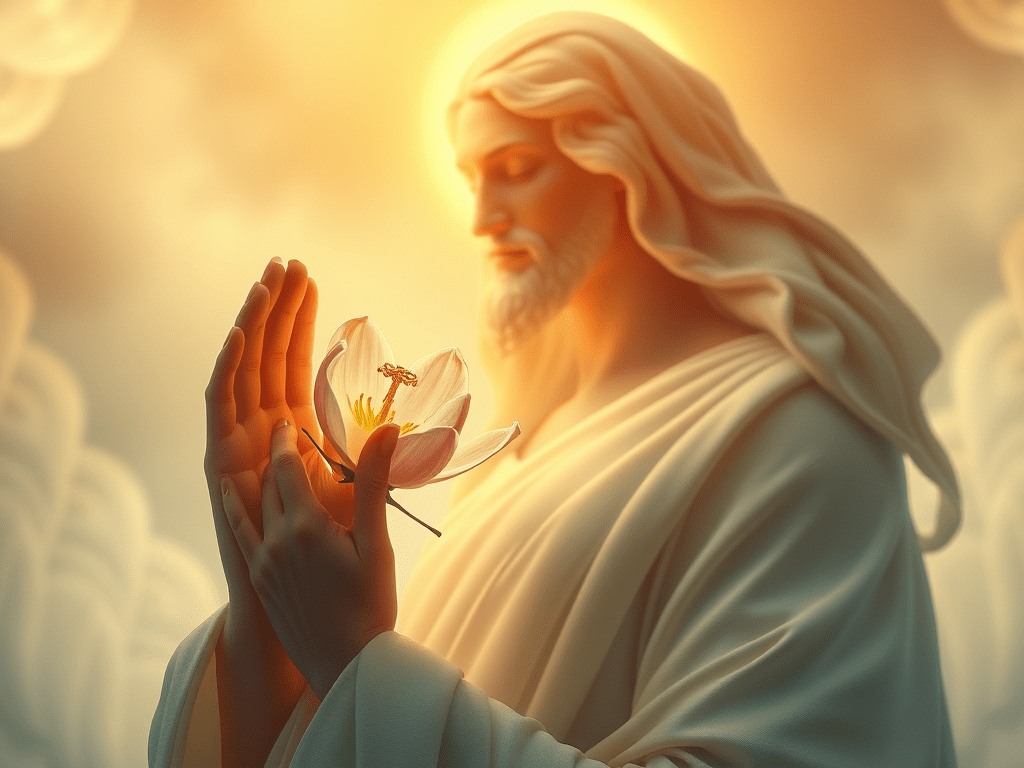
We call God “He.” We refer to God as “Father.” We describe Jesus as the bridegroom and the church as his bride. But here’s the question most Christians avoid: Is God actually male? The answer might surprise you—and it might change how you connect with the divine.
The Masculinity Problem in Christianity
Christianity has spent centuries emphasizing the maleness of God. He, Him, Father—these are the pronouns and titles we default to without thinking. Most churches will admit, if pressed, that God isn’t literally a man. They’ll acknowledge that God transcends gender. But we keep using masculine language anyway because “that’s what we inherited from antiquity.”
For many people, this works just fine. If you had a loving, supportive father who encouraged you to pursue your potential and pushed you beyond society’s limitations, then imagining God as Father feels natural and comforting. In fact, many of history’s most incredible women had fathers who championed them, and their relationship with God as Father was empowering rather than limiting.
When Father Language Creates Barriers
But what if your father wasn’t loving? What if “father” conjures images of abuse, abandonment, or disappointment? If you had a terrible earthly father, imagining a loving heavenly Father becomes nearly impossible. The word itself becomes a barrier to connection with God.
This isn’t just theoretical. Countless people have walked away from faith because the masculine imagery of God felt alienating, oppressive, or triggering. When we insist that God must always be addressed with male pronouns and paternal titles, we create unnecessary obstacles for people genuinely seeking spiritual connection.
God Describes Himself as Mother Too
Here’s what many Christians don’t realize: God uses maternal imagery throughout the Old Testament. God doesn’t limit self-description to masculine roles. Scripture shows God as both father and mother, husband and protector, warrior and nurturer. God embodies all qualities across the gender spectrum because God isn’t constrained by human gender categories.
The Bible describes Jesus as the bridegroom and believers as the bride. This metaphor works beautifully for women who can see themselves as the beloved wife. But it also reveals something important: God takes on whatever role is needed to relate to us. Sometimes that’s husband, sometimes mother, sometimes father, sometimes friend.
Neither and Both
God is neither male nor female—and somehow both. God transcends gender while simultaneously embodying the fullest expression of every gendered quality. God is not limited by the biological or social constructs that define human gender.
This understanding frees us from rigid boxes. If thinking of God as exclusively male creates distance in your relationship with the divine, you’re not heretical for exploring maternal or gender-neutral imagery. If you need to connect with God’s nurturing, maternal aspects, that’s not less biblical than connecting with God’s protective, paternal nature.
The Fatherhood and Motherhood Systems
Both parental systems—fatherhood and motherhood—profoundly impact how children understand God. A toxic father can distort someone’s image of God the Father. An abusive mother can damage someone’s ability to receive God’s comfort. Either parent can create barriers to spiritual connection.
The solution isn’t to ignore this reality but to expand our language and imagery for God. The church could benefit tremendously from emphasizing God’s maternal, nurturing instincts more intentionally. We need both the strength of the father and the tenderness of the mother to fully appreciate who God is.
Permission to Connect Authentically
If masculine language for God keeps you from connecting with the divine, you have permission to explore other expressions. God is big enough to handle whatever imagery helps you draw closer. The point isn’t perfect theological precision about pronouns—it’s authentic relationship with the Creator.
God wants connection, not conformity to outdated linguistic conventions. Whether you relate to God as Father, Mother, or something beyond human gender categories entirely, what matters is that you’re seeking genuine relationship with the divine.
God is neither male nor female. God is simply God—and that’s enough.

 Laura farhy
Leave a comment