If you’ve spent any time in progressive Christian spaces, you’ve heard the term “deconstruction.” It’s everywhere. People are deconstructing purity culture, deconstructing complementarianism, deconstructing biblical inerrancy, deconstructing everything they were taught growing up in the church.
And deconstruction is necessary. It’s the process of examining your inherited beliefs, questioning what you were told to accept without question, and dismantling theological frameworks that caused harm.
But here’s what nobody tells you: deconstruction alone will leave you empty.
1. Deconstruction Is Demolition, Not Building
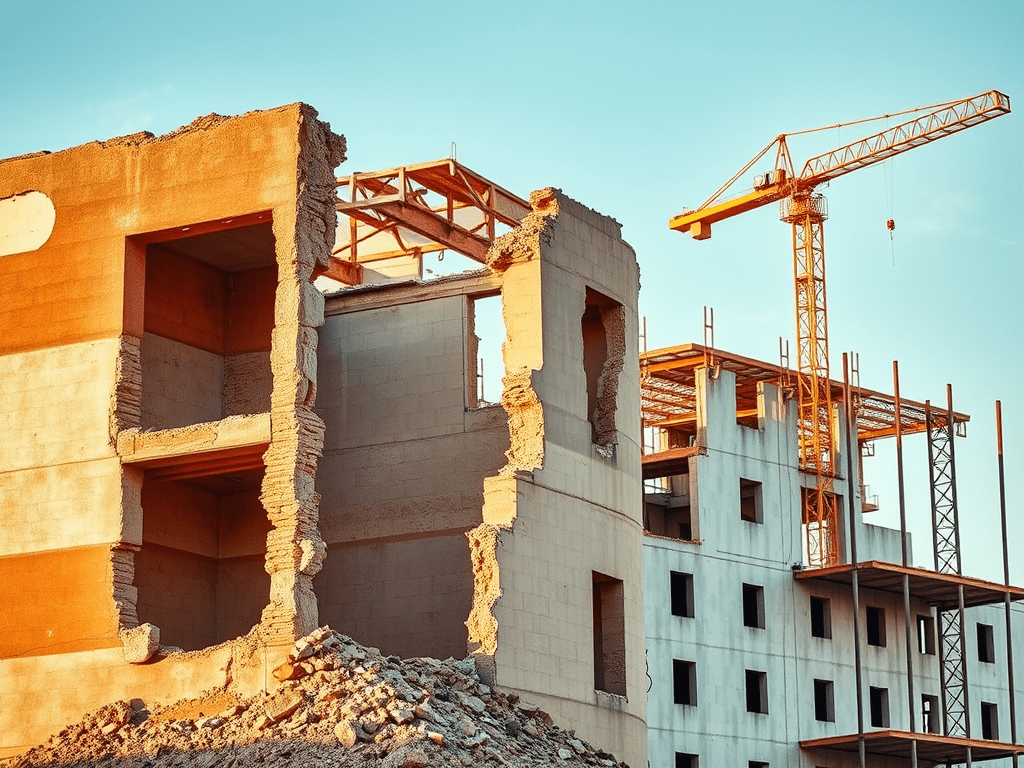
Think of deconstruction like demolishing a building. You’re tearing down walls, ripping out bad wiring, removing toxic materials. It’s hard work. It’s messy. And it’s absolutely essential if the structure is unsafe.
But you can’t live in a demolition site forever.
Deconstruction identifies what’s broken. It names the harm. It asks hard questions like: Why do I believe this? Who benefits from this teaching? Does this align with Jesus’ character?
These are crucial questions. But asking questions isn’t the same as finding answers. Tearing down isn’t the same as building up.
2. Reconstruction Builds Something You Can Actually Live In
Reconstruction is the intentional work of building a faith that’s sustainable, honest, and rooted in what you actually believe rather than what you were told to believe.
It’s deciding what stays and what goes. It’s choosing which theological frameworks serve you and which ones need to be discarded. It’s the hard work of saying, “I don’t believe in biblical inerrancy anymore, but I do believe in Jesus.”
Reconstruction requires more courage than deconstruction because you’re not just critiquing someone else’s system. You’re building your own. You’re taking responsibility for your beliefs.
3. Perpetual Deconstruction Keeps You Stuck
Many people never make it to reconstruction. They get stuck in perpetual deconstruction, endlessly critiquing and questioning without ever landing anywhere solid.
Sometimes it’s because deconstruction feels safer. You can’t be wrong if you’re just asking questions and pointing fingers. You can’t be hurt again if you never commit to believing anything.
Sometimes it’s because we lack models for reconstruction. We know what we’re leaving, but we don’t know what we’re building toward.
4. Reconstruction Requires Nuance and Humility
Reconstruction is genuinely harder than deconstruction. It requires nuance, humility, and the willingness to say, “This is what I believe, even though I can’t prove it and even though I might be wrong.”
It means holding tension. It means saying, “I believe this AND I’m open to being wrong about it.” It means building a faith that’s both honest and hopeful. But mostly, humble. Work out your faith with fear and trembling, not certainty and pride.
5. You Have to Start Building Eventually
If you’re stuck in deconstruction, ask yourself: What do I actually believe? Not what I don’t believe—what do I believe?
Start small. Maybe you believe Jesus was a real person who taught radical love. Maybe you believe prayer matters even if you can’t explain how. Maybe you believe community is essential even when church feels impossible.
Deconstruction clears the ground. Reconstruction builds the house. Both are necessary. But only one gives you a place to live.
You can’t demolish forever. Eventually, you have to build.
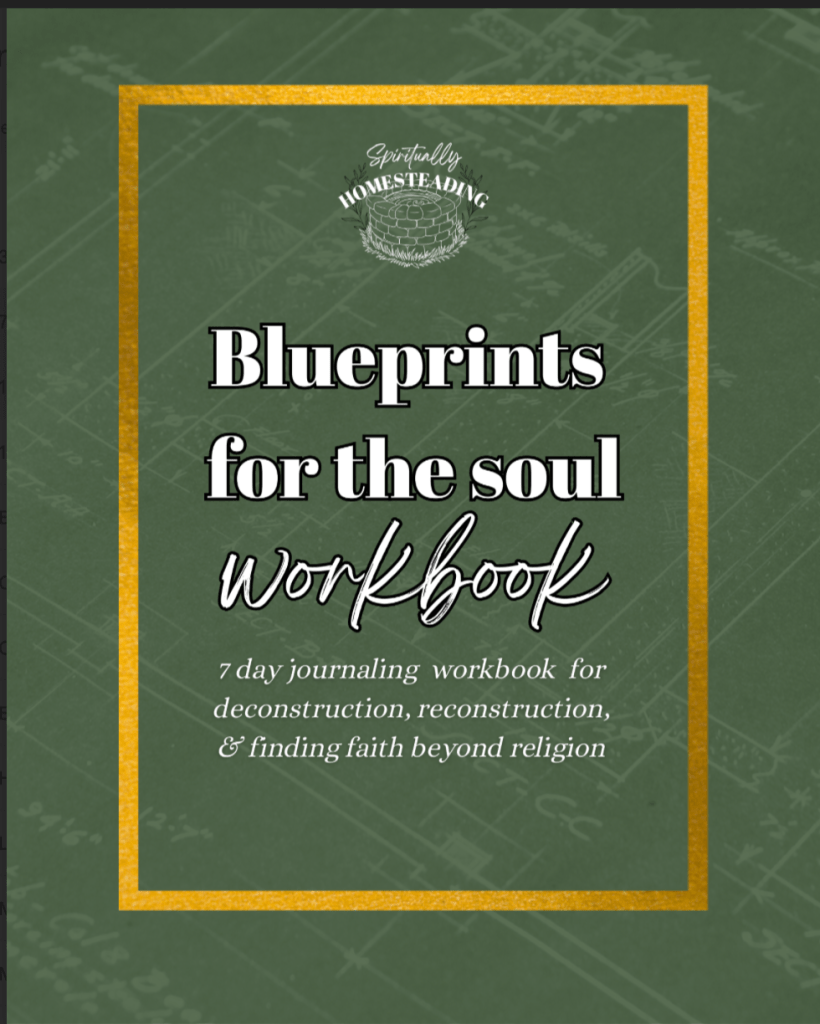
Here’s a FREE workbook to help you get started. Sign up to have it delivered to your inbox.


Leave a comment