Back in elementary school, a girl in my class insisted to all of us that she had checked out a book from the library packed with real witchcraft. She flashed the cover like it was a secret treasure, but never let anyone peek inside. I spent weeks watching and waiting for her to return it, desperate to discover if it truly was a spell book.
I didn’t want to check it out, because I wanted to be a witch. I wanted to check it out because I wanted to see what all the fuss was about. Was this book really something to be scared by? Was it really a book about witchcraft? Or was she pretending? The only way I’d know for sure was to look for myself.
Every time our class visited the library, I scoured the shelves for that mysterious book. After countless trips, I finally spotted it. I grabbed it, checked it out, and slipped it into my backpack like I was making off with forbidden treasure.
When I got home, I cracked open the book, flipped through the pages, and quickly realized the truth: she was full of it.
The Satanic Panic and Christian Hysteria
Now that I look back, and after digging into my memories, I realize the book she mentioned was just one of the many swept up in the wild “Satanic Panic” craze of the 90s. The author had apparently spun a collection of spooky tales filled with demons and the occult, stories quickly labeled as off-limits for kids. Outraged Christians of the time rallied to get the book banned. So in hindsight, she wasn’t exactly lying; she was just echoing what her parents had told her, passing the story along like as it had been for her.
Wrestling with a faith crisis and deconstruction can feel a lot like sneaking forbidden books out of the library. Sometimes, you crack open the pages only to discover it’s all overblown, or that the people around you are just making things up. Either way, those feelings never go away. I understand that some fundamental Christians may view this discussion with concern. However, undergoing a process of deconstruction is not the same as leaving Christianity. In fact, addressing doubts and periods of crisis can strengthen faith, as seen in the example of Doubting Thomas in the Bible.
Let’s talk about the parts of deconstruction no one prepares you for.
Here’s what I wish Christians and former Christians knew about deconstruction.
- No one gets to decide the ending except you.
Christians tried to talk me out of deconstructing, and Atheists tried to talk me out of Christianity. Both pushed me toward conclusions they had already made. Respectfully, no thank you.
Deconstruction is your turn to examine the data and draw your own conclusions. Don’t be afraid to leave the crowd to find your own answers. Otherwise, you are just trading one version of certainty for another.
2. Prepare for pushback.
Whether Christians call me a heretic or promoter of false teaching, or Atheists claim I didn’t “deconstruct enough,” you are allowed to define your faith differently, if you want one at all.
The goal of deconstruction isn’t to become an Atheist or say you’re an Evangelical. It is to test the faith you thought you had and exchange it for the most authentic version you know to be true for you.
3. Community kick outs
Whenever you pursue the most authentic version of yourself, people will hate you for it. Why? Either because they benefited from who you were or they lack the courage, desire, or drive to become who you want to be. Sometimes they hold you back because they do not want to move forward with you.
Wouldn’t you rather be loved and accepted for who you really are instead of who you pretend to be?
Looking for helpful tips on how to survive deconstruction?
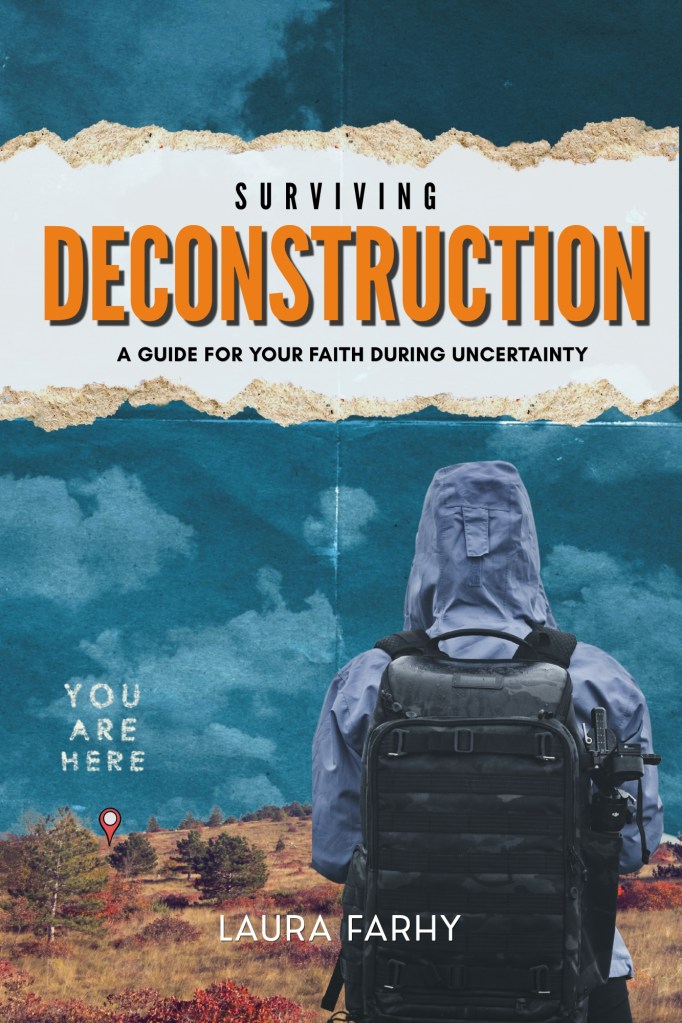
I’m happy to report I have put together some material just for YOU. Most books about deconstruction either try to persuade you out of it, are memoirs about it, or focus on a specific topic. But what if you had a manual to support you through the whole journey? That’s where Surviving Deconstruction: A Guide for Your Faith During Uncertainty comes in. In this book you will discover things like…
- How to protect yourself from energy vampires and confrontational christians
- How do you know you healed and are on the other side? What does hope look like?
- How to vet your guides and gurus so you don’t end up with my pain and frustration.
Click here to find out how you can get your copy!


Leave a Reply